The Strong Mom Dinner Rhythm
Aug 07, 2026The Strong Mom Dinner Rhythm
A flexible, fun way to feed your family well without turning dinner into another CHAOTIC full-time job.
I know you care about your family’s health and yet it still feels like dinner is a lot to do every night. But it doesn't HAVE to be.
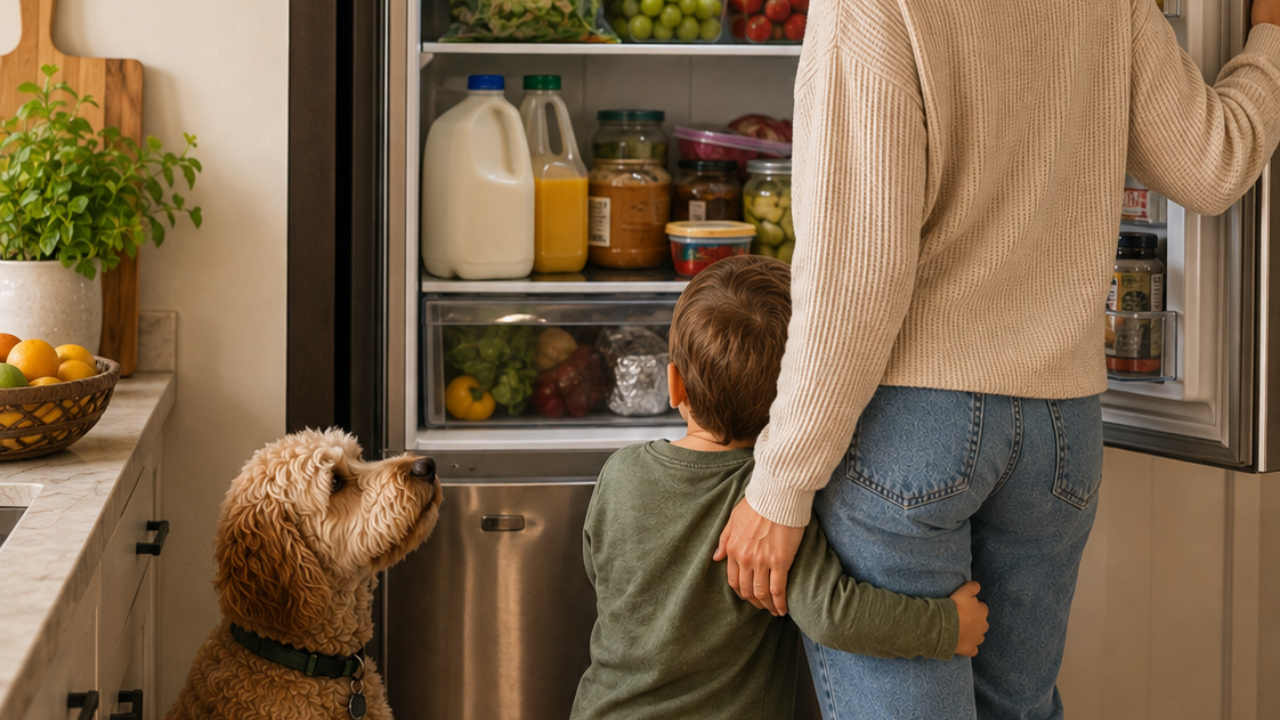
You can be strong, capable, organized, motivated, and still hit that evening wall where everyone needs something, the kitchen feels fricken loud, and the fridge somehow looks both full and annoying at the same time.
That does not mean you are failing.
It means your dinner system needs to match your real life.
The goal is not perfect meals every night. The goal is a flexible family dinner rhythm that gives you energy instead of stealing it.
One that helps you feed your people, protect your peace, and bring a little fun back into the kitchen.
Dinner does not need more pressure. It needs a rhythm.
A rhythm is different from a rigid plan
A rigid plan says, “If this meal does not happen exactly this way, the night is ruined.”
A rhythm says, “We know what kind of night this is, and we have a simple way to move through it.”
That shift matters.
Busy young moms do not need another color-coded system that collapses the first time a kid has a meltdown, practice runs late, someone gets sick, or the baby decides to skip a nap.
You need a dinner flow that bends without breaking.
That is where our dinner rhythm works best: strong, simple, wellness-focused, and built for real family life.So you can take a breath and sit down for a minute.
What dinner stress usually sounds like
Dinner stress rarely starts with the food.
It starts with the mental load.
What do we have?
What will everyone eat?
Is there enough protein?
Did I plan vegetables?
Do I have time to cook?
Do I have enough energy to clean the kitchen after?
Will this turn into complaints, negotiations, or snacks five minutes later?
That running list can make even simple meals feel heavy.
The answer is not to care less. You care because your family’s health matters to you.
The answer is to stop making every dinner a brand-new decision.
The three-part rhythm
A strong dinner rhythm has three parts:
- A base
- A boost
- A bright spot
That is it.
The base is the main thing that fills everyone up. Think tacos, pasta, rice bowls, breakfast-for-dinner, burgers, soup, wraps, loaded potatoes, sheet-pan meals, or snack plates with real substance.
The boost is the part that supports wellness. Think protein, vegetables, healthy fats, fruit, beans, eggs, yogurt, avocado, nuts, or whatever works for your family.
The bright spot is the part that makes dinner feel fun. Think a topping bar, a dip, a smoothie, music in the kitchen, a picnic blanket on the floor, a family question, sparkling water in fun cups, or letting the kids build their own plates.
This keeps dinner from becoming a nightly performance.
You are not asking, “What impressive meal can I create?”
You are asking, “What base, boost, and bright spot fit tonight?”
Match the meal to the night
Not every night has the same energy.
That is normal.
Instead of forcing one dinner standard onto every evening, choose a dinner lane.
Green light nights are the nights when you have more energy. You can cook, chop, season, try something new, or let the kids help.
Yellow light nights are the normal busy nights. You need simple, familiar, and fast. No drama. No complicated timing.
Red light nights are survival nights. Everyone still needs to eat, but dinner needs to be as easy as possible.
This is not lowering your standards. This is leadership.
Strong moms know how to read the room.
A green light dinner might be turkey burgers, sweet potato wedges, and fruit.
A yellow light dinner might be quesadillas, sliced peppers, guacamole, and yogurt bowls.
A red light dinner might be scrambled eggs, toast, apple slices, and a handful of baby carrots.
All three count.
All three feed your family.
All three can belong in a wellness-focused home.
Create family favorites with flexible parts
The easiest dinners to repeat are the ones that can change shape.
Pick a few family favorites and turn them into flexible templates.
Taco night can become taco bowls, taco salads, taco potatoes, or taco egg wraps.
Pasta night can become noodles with meat sauce, chickpea pasta with pesto, baked pasta, or cold pasta bowls with veggies and chicken.
Breakfast-for-dinner can become eggs and toast, protein pancakes, yogurt parfaits, breakfast burritos, or smoothie bowls.
Burger night can become lettuce-wrapped burgers, burger bowls, sliders, or turkey burger plates.
This keeps dinner familiar for kids and fresh for you.
You are not starting over every week.
You are remixing what already works.
Make wellness visible without making it weird
Kids learn from what they see on repeat.
They do not need a lecture about nutrients every night.
They need a home where colorful food shows up often, protein is normal, water is available, and movement, rest, and nourishment are treated like part of life.
That can happen in a relaxed way.
Put fruit in the center of the table.
Add cucumbers, carrots, or peppers to a plate before anyone asks.
Keep a dip your kids like in the fridge.
Let everyone add their own toppings.
Use words like strong, steady, bright, crunchy, juicy, and fresh.
Dinner can teach health without turning into a health class.
The vibe matters.
When food feels calm and normal, kids are more open to it.
Bring the energy back
Dinner does not have to be quiet, perfect, or fancy to be meaningful.
It can be loud.
It can be playful.
It can happen at the counter, on the porch, around the island, outside after practice, or wherever your family actually gathers.
Try adding one energy-giving ritual to your dinner rhythm.
Play a three-song kitchen playlist while food comes together.
Let one child choose the fruit or vegetable.
Do a “build your own” dinner once a week.
Ask one fun question at the table, like, “What was the weirdest part of your day?”
Light a candle even if the meal is simple.
Eat outside when the weather is good.
Celebrate when everyone tries something new, helps clean up, or makes their own plate.
Fun is not extra.
Fun helps the rhythm stick.
Your weekly rhythm
Here is a simple weekly rhythm to try:
Monday: Bowl night Tuesday: Taco-style night Wednesday: Breakfast-for-dinner Thursday: Pasta or protein plate Friday: Build-your-own night Saturday: Grill, slow cook, or family favorite Sunday: Clean-out-the-fridge plates
This gives your week structure without locking you into exact recipes.
You can swap the days.
You can repeat meals.
You can make it more homemade when you have capacity and more assembled when life is full.
The power is in knowing the category before the day gets chaotic.
What to keep on hand
A flexible dinner rhythm becomes easier when your kitchen has a few reliable anchors.
Choose foods your family actually eats.
Protein anchors:
- Eggs
- Ground beef or turkey
- Chicken
- Greek yogurt
- Cottage cheese
- Beans
- Tuna or salmon packets
- Turkey slices
- Frozen meatballs
Base anchors:
- Rice
- Pasta
- Tortillas
- Potatoes
- Bread
- Oats
- Frozen waffles
- Burger buns
- Salad greens
Boost anchors:
- Frozen vegetables
- Fresh fruit
- Avocados
- Hummus
- Salsa
- Cheese
- Nuts or seeds
- Smoothie ingredients
- Pre-washed greens
Flavor anchors:
- Pesto
- Marinara
- Taco seasoning
- Ranch or yogurt dip
- Mustard
- BBQ sauce
- Teriyaki sauce
- Lemon or lime
- Everything bagel seasoning
This is not about stocking a perfect kitchen.
It is about giving yourself options when the day does not go as planned.
A rhythm for the mom too
The dinner rhythm is not only for the kids.
It is for you.
You deserve to eat food that gives you strength.
You deserve to sit down, even for ten minutes.
You deserve meals that support your body without requiring you to spend every evening managing, reminding, negotiating, and cleaning.
A strong family dinner rhythm protects the mom’s energy too.
That might mean serving dinner earlier before everyone crashes.
It might mean prepping one protein in the morning.
It might mean using the same dinner category every Tuesday.
It might mean letting the kids set out toppings.
It might mean choosing the easiest possible version and calling it good.
Your family does not need a burned-out mom standing over a perfect meal.
They need you present, nourished, and steady.
The simple start
Do not overhaul your whole week.
Start with one dinner lane.
Choose one night this week that usually feels hectic.
Pick the category before the day begins.
Choose your base.
Choose your boost.
Choose one bright spot.
That is your rhythm.
For example:
Base: rice bowls Boost: chicken, avocado, corn, and cucumbers Bright spot: everyone builds their own bowl with toppings
Or:
Base: breakfast-for-dinner Boost: eggs, fruit, and yogurt Bright spot: smoothie cups and music while you cook
Or:
Base: wraps Boost: turkey, cheese, hummus, and crunchy vegetables Bright spot: picnic dinner on the living room floor
Simple does not mean careless.
Simple means repeatable.
Repeatable is what creates confidence.
Let the rhythm carry you
Dinner can feel lighter than it does right now.
Not because life slows down.
Because your rhythm gets stronger.
You can feed your family in a way that supports health, connection, and energy without making every evening feel like a test.
Start with one flexible dinner category.
Add one wellness boost.
Bring in one bright spot.
Let the rhythm carry you.
Strong moms do not need more pressure at dinner.
They need a plan that moves with them.
Stay connected with news and updates!
Join our mailing list to receive the latest news and updates from our team.
Don't worry, your information will not be shared.
We hate SPAM. We will never sell your information, for any reason.